
Governance at UUCWC
Polity is a general term for the form of church organization adopted by a religious tradition. Unitarian Universalists operate under a particular form of polity called congregational polity, defined as “the rights and responsibilities of each properly organized congregation to make its own decisions about its own affairs without recourse to any higher human authority.”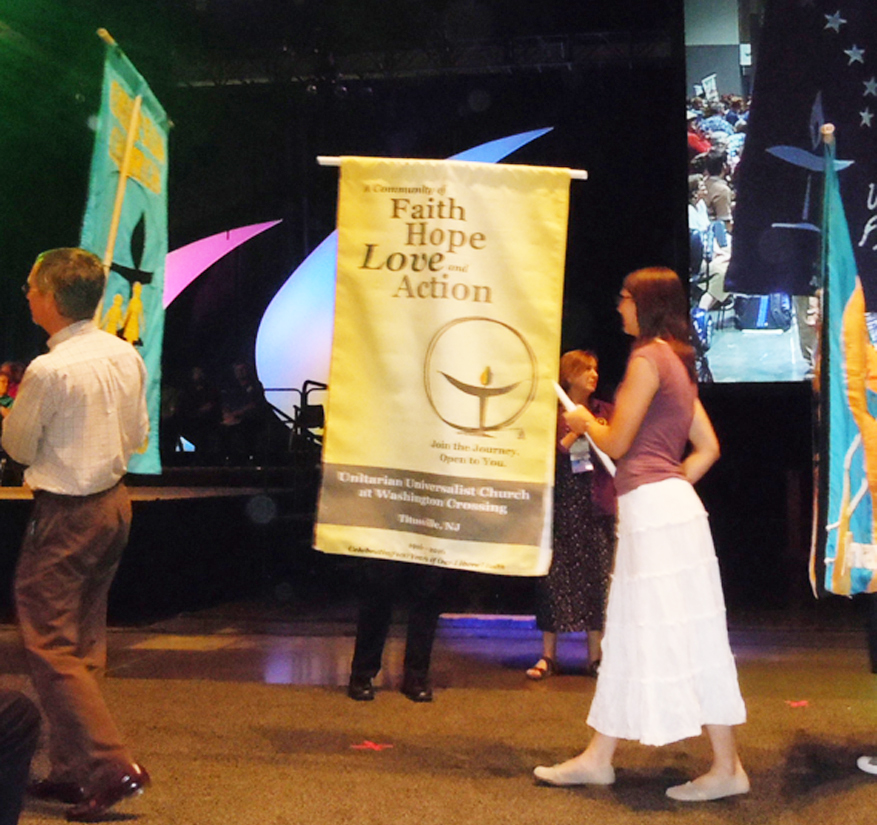
UUCWC’s Board of Trustees establishes and maintains church policies and its strategic direction, has charge of all church property and business operations, and fiduciary responsibility for church funds as defined in our bylaws.
Under the Board’s policy-based governance approach, the Board and senior minister delegate responsibility and authority for day-to-day church operations to groups that then carry them out. The Board does this in consultation with the senior minister through policies that clarify responsibility, authority, and accountability among governance committees and other groups at UUCWC. In general, governance committees are accountable to the Board.
The Senior Minister supervises staff and has responsibility for direct day-to-day leadership of church operations, in collaboration with ministry teams and other groups as appropriate. In general, these ministry teams and other groups are accountable to the minister.
For more information about governance at UUCWC, see: